Implementation Phases
The program is structured in carefully planned phases to ensure systematic capacity building and sustainable impact across Syria’s physiotherapy sector.
Program Buildup & Scoping
Establishing the foundation for the initiative through comprehensive needs assessment and partnership development:
- Establish Program Management Unit in Damascus with local coordinators
- Identify physiotherapy professionals and centers across Syria through existing networks
- Partner with the Professional Association of Physiotherapists of Syria to evaluate current knowledge status and needs
- Establish partnerships with World Physiotherapy, University of Copenhagen, Danish Physiotherapists Union, and specialized NGOs
Capacity Development & Knowledge Exchange
Implementing comprehensive training programs and establishing mentorship networks:
- Develop and pilot training programs for physiotherapist practitioners at centers in Homs
- Conduct hybrid (online and in-person) training sessions on modern techniques and practices
- Connect Danish and global mentors to support peers in Syria
- Host professional visits to Syria for direct knowledge exchange
Infrastructure & Resource Support
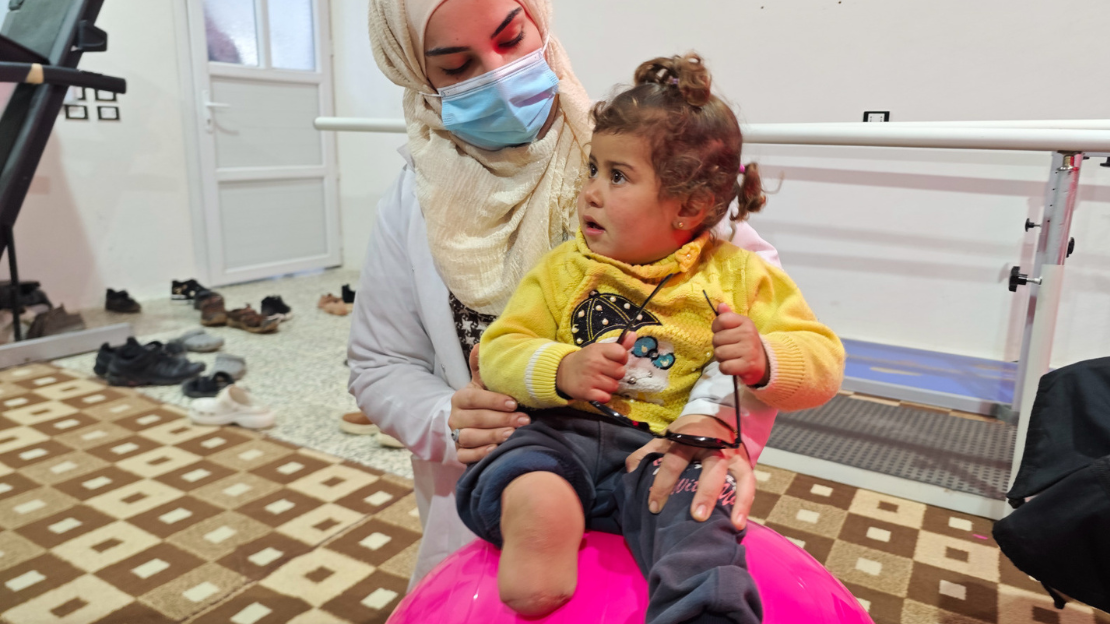
Building physical capacity and providing essential resources for sustainable service delivery:
- Procure and deliver essential physiotherapy tools and materials from Denmark
- Establish new rehabilitation centers or refurbish existing facilities to offer high-quality services
- Provide digital access to medical databases and training libraries in Arabic
- Create spaces for both patient care and training of newly graduated physiotherapists
Long-Term Mentorship & Monitoring
Ensuring sustainability through ongoing support and systematic evaluation:
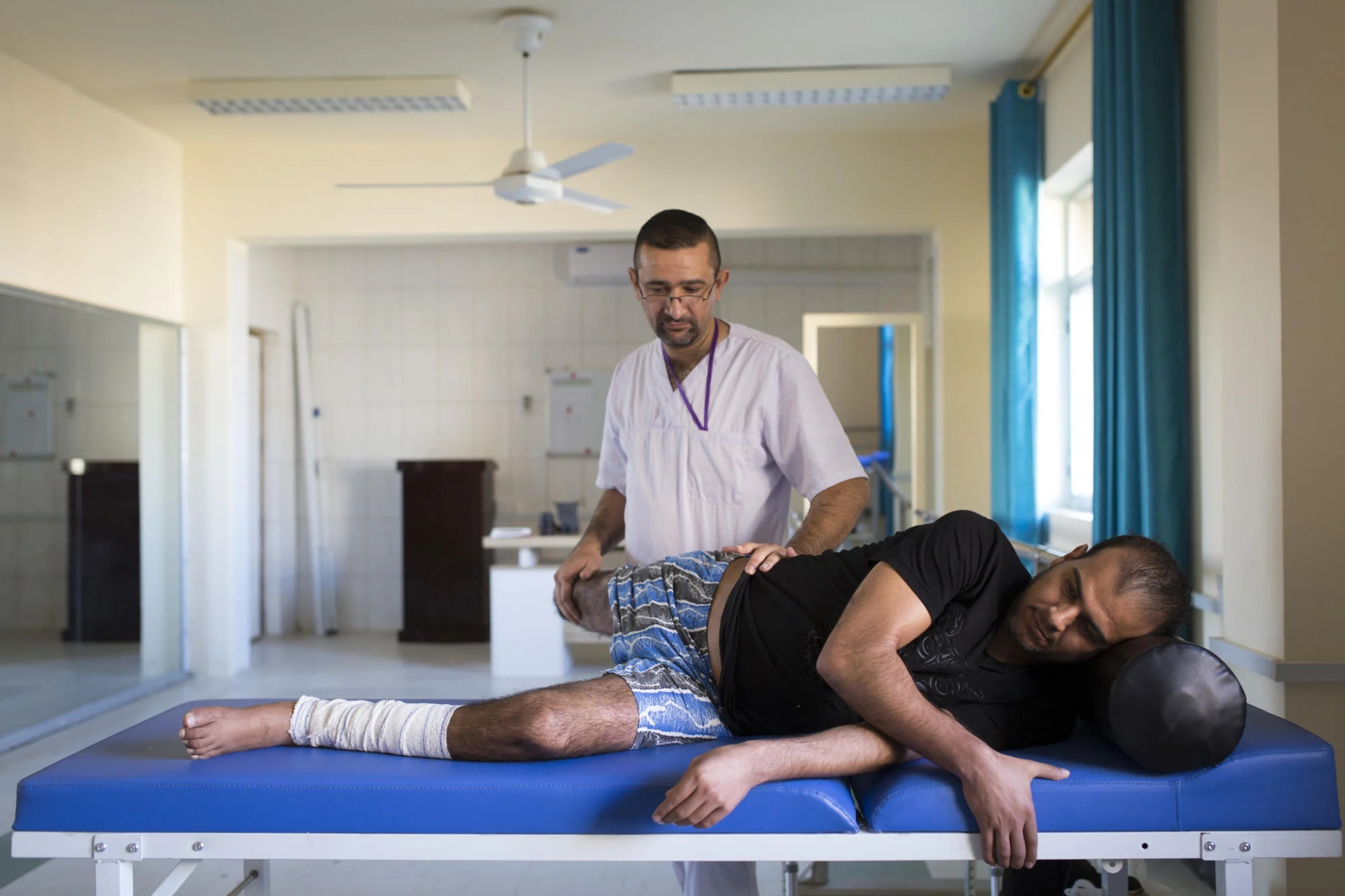
- Establish permanent mechanism for pairing practitioners in Syria with international mentors
- Create knowledge support dashboard for continuous learning and resource access
- Collect impact data and feedback to continuously refine the program
- Monitor progress and ensure alignment with international standards